1. Refereeing Journey
I played football across the Mid Ulster area for many years with a number of different clubs, and I was fortunate enough to win a few league titles and cup competitions along the way. Unfortunately, at the age of 26 I suffered the first of two ACL ruptures, which ultimately meant I could no longer continue playing competitively.
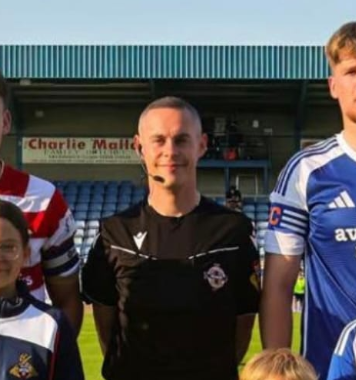
I still wanted to stay involved in the game, so I spoke to Michael Patterson, who provided me with all the information about the beginner referee course. Before long I was out officiating matches. Like most new referees, those first few games were daunting, but there was plenty of support from experienced officials and the local refereeing community. Looking back, it was one of the best decisions I’ve made and it has given me a completely different perspective and appreciation for the game.
2. Favourite MUFL Moments
It’s difficult to choose just one. Refereeing the Mid Ulster Cup Final this season between Annagh United and Rathfriland was a real honour and a proud moment in my refereeing journey. I also had the privilege of taking charge of the Bob Radcliffe Cup Final on Boxing Day between Moneyslane and Rathfriland in front of a fantastic crowd.
Both occasions highlighted everything that’s great about Mid Ulster football. The passion, quality and support around these fixtures make them special events, and it’s a privilege to play a small part in them as a match official.
3. Matchday Preparation
Preparation starts long before matchday itself. Once I receive my appointment at the beginning of the week, I’ll spend some time looking at the league table, recent form, previous meetings between the teams and understanding the style of the players involved. It helps me build a picture of the game and consider how I can best manage it.
I’ll also contact the other match officials to agree our matchday arrangements. We often meet beforehand for a coffee or lunch, which gives us an opportunity to discuss the game while also catching up away from football. Building those relationships is really important when working as a team.
On matchday I like to have an early breakfast and complete some activation exercises before leaving home. At the beginning of each season I’ll also spend extra time refreshing myself on any changes to the Laws of the Game to make sure I’m fully prepared.
4. Challenges of the Role
Like any role in football, refereeing brings its own challenges. The vast majority of players, coaches and supporters are respectful, but occasionally emotions can spill over and officials can become the focus of frustration.
As referees, we work hard to make the best decisions we can in real time, knowing that perfection isn’t possible. One of the more difficult aspects of modern officiating is dealing with criticism on social media after a match. While referees learn to focus on constructive feedback and move forward, it’s important to remember that officials are people with families, friends and careers away from football.
Fortunately, the refereeing community is incredibly supportive and having colleagues who understand those challenges helps you maintain perspective and continue improving.
5. Respect & Communication
Communication is one of the most important skills a referee can have. Whether it’s with players, coaches or your fellow match officials, clear and respectful communication helps build trust throughout the game.
I always try to arrive early, introduce myself and build rapport before kick-off. I believe that when people know you’re approachable and respectful, they’re more likely to accept difficult decisions, even if they don’t always agree with them.
I also think humility is important. None of us are perfect, and while every decision is made with confidence in the moment, I’m always willing to reflect afterwards, learn from mistakes and continue developing. That mindset has helped me grow as a referee.
6. Life Outside Football
Sport has always been a big part of my life. If I’m not involved in football, I’m usually watching another sport. Whether it’s rugby, GAA, Formula 1 or pretty much any competitive event, I’ll happily sit down and watch it.
Away from sport, I enjoy spending time with family and friends and keeping active in the gym.
7. Advice for New Referees
My advice would simply be to give it a go. You’ll soon know whether refereeing is something you enjoy and you’ll never regret trying something new.
There is a strong refereeing community within Mid Ulster and everyone has been in your position before. Don’t be afraid to ask questions or speak to local referees about their experiences. Most officials are more than happy to offer advice and support to anyone starting their journey.
8. Favourite Grounds
We’re fortunate to have some excellent facilities across the Mid Ulster area. Dungannon’s new pitch is a fantastic surface, while two of my favourite venues to referee at are Lurgan Town and Tandragee Rovers. Both clubs consistently maintain their pitches to a very high standard, which really helps the quality of football and makes for an enjoyable matchday experience.
9. Rule Changes
I’m a big supporter of the recent changes that are designed to keep the game flowing. Measures such as the goalkeeper’s eight second possession limit and the introduction of substitute, goal kick and throw in time limits help reduce unnecessary delays and encourage a faster, more entertaining game.
As both a referee and a football fan, anything that increases the amount of football being played is a positive step.
10. Personal Motto
My motto is simple: ‘Keep it simple.’
For me, that means focusing on the basics, applying the Laws consistently and managing the game with calmness and common sense. Refereeing doesn’t need to be complicated. If you get the fundamentals right, communicate well and stay composed, you’re giving yourself the best chance of having a successful game.